The thing nobody tells you about long-term desire
After years with the same partner, sex doesn't disappear. It gets predictable. Your brain literally stops paying attention because it knows exactly what's coming. Neuroscientists call this habituation. I call it the invisible trap of comfort.
Here's what makes it tricky: you're not broken. Your relationship isn't failing. Your bodies haven't forgotten how to respond. What's happened is that the novelty pathway in your brain has quieted down. You need a deliberate reset, not a guilt-fueled overhaul.
The good news is that restarting is faster than starting from scratch. You already know what your body can do. You just need to make it surprising again.
Why sensation fades in long-term partnerships
When you first get together, everything is new. Your brain floods with dopamine because it's constantly predicting and being surprised. After five, ten, twenty years with the same partner, your brain completes the prediction before it even happens. Touch becomes automatic. Pleasure becomes routine.
This isn't a reflection of your feelings for each other. It's neurobiology. The brain is fundamentally lazy. It wants to conserve energy, which means it stops allocating resources to things it already understands.
What changes isn't capacity. It's attention. Your clitoris has the same nerve endings. Your sensitivity is intact. What's different is that your brain stopped sending it the signal that this matters.
The fix isn't more frequency or longer sessions. It's strategic novelty. Interrupting the prediction pattern is what wakes your brain back up.
The conversation that comes before anything else
Honestly, before you buy anything or try anything new, you and your partner need to name the problem separately. Not as a couple issue, but as a neurobiological one.
Too many people conflate "sensation has gotten quieter" with "you don't turn me on anymore." Those are completely different problems. One is fixable in weeks. The other requires actual relationship work.
Sit down and answer these individually, then share: What does sex feel like now, physically? What did it feel like in year one or two? When did you first notice the shift? Is it just sensation, or is there an emotional distance too?
If both of you are noticing the fade and you still like each other, you're not in trouble. You're ready to rebuild. If one person is withdrawn and the other isn't sure why, that's a different conversation. That might need a therapist, not a vibrator.
But if you're both willing and you've named the actual problem, the next steps work fast.
Breaking the prediction loop: introduce asymmetry
Your brain stopped paying attention because the pattern is symmetrical. Same position. Same sequence. Same timing. Same intensity.
Asymmetry is what forces the brain back online. Here are three ways to introduce it without overhauling your whole dynamic.
1. Change the order. If foreplay always leads to intercourse, start with intercourse and save oral for after. If you always start with hands, start with a toy. The disruption alone can restart attention.
2. Change one variable at a time. Not the whole scene. One variable. Different location. Different time of day. A toy your body has never experienced before. Your brain will notice the exception and reallocate resources to it.
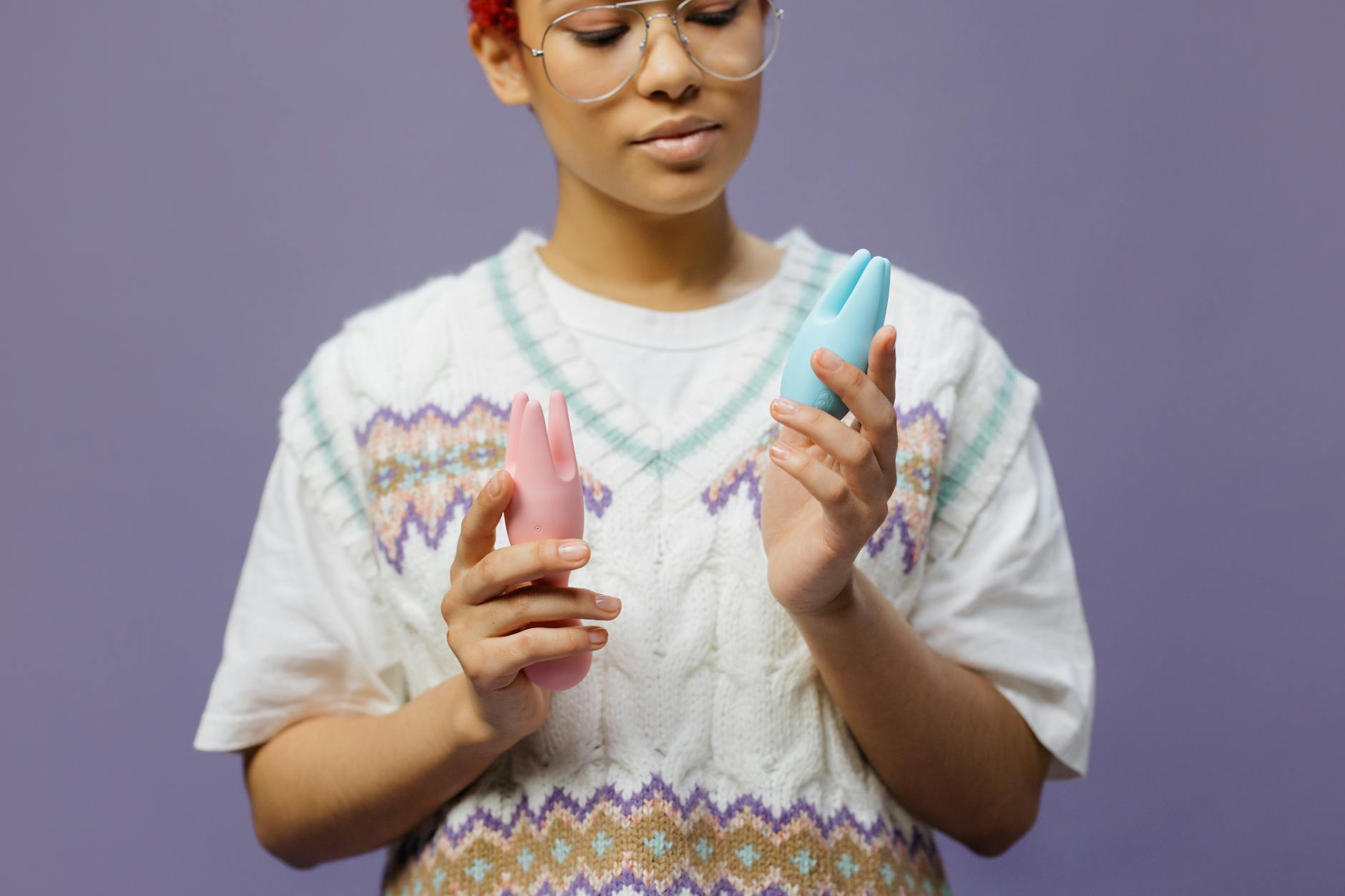
3. Introduce bilateral stimulation. This is the big one for long-term couples. If you've been relying on one type of touch, the clitoral suction from a device like the Lemon Vibrator offers something traditional touch doesn't. It's different enough to feel new, even if you've had sex hundreds of times.
The point isn't shock value. It's that your nervous system recognizes novelty and treats it as important.
Why clitoral vibrators matter for long-term couples
I'm not just recommending a tool because it feels good, though it does. I'm recommending lemon clitoral vibrators specifically because they solve a problem in long-term relationships that nothing else addresses as directly.
After years of the same touch, the pressure and rhythm your partner can deliver becomes predictable at a neurological level. Your body knows what's coming before it arrives. Even if the orgasm still happens, it doesn't feel like a surprise.
A clitoral vibrator introduces a pattern that's difficult for a human hand to replicate precisely. The suction pattern is asymmetrical. The intensity curve is different. It's similar enough that it feels familiar, but different enough that your brain doesn't tune it out.
This is why so many couples find that introducing a lemon vibrator or lem vibrator doesn't replace partnership. It interrupts the habituation loop and actually makes partnered sex feel novel again.
That novelty is the gateway drug to desire coming back.
The practical reset: a four-week framework
Week one: conversation and preparation. Have the talk. Agree that you're both in. Pick a toy that appeals to both of you. No shame, no spectating just yet.
Week two: solo exploration. Use the vibrator alone. Learn how your body responds without the pressure of performing for anyone else. This isn't about orgasm. It's about relearning what your nervous system is actually capable of. Many people discover sensations they've forgotten existed.
Week three: introduce it to partnered play. Not as a replacement. As an addition. Let your partner watch if you're comfortable. Let them hold it sometimes. The novelty of seeing each other experience something new can be more intimate than the act itself.
Week four: make it normal. By now, your brain has stopped treating it as exotic. Good. That means the novelty has done its job and activated your baseline capacity for sensation. You might keep using it regularly, or you might go back to hands-only sometimes. The point is you've reset the loop.
The emotional reset matters just as much
Physical sensation doesn't exist in a vacuum. If you're resentful, exhausted, or emotionally distant from your partner, a vibrator won't fix that.
Before you restart pleasure, restart attention. Ask your partner something you don't know the answer to. Have a conversation that isn't about logistics or complaints. Do something together that has nothing to do with sex. Go somewhere new. Learn something together.
The research on long-term desire is clear: couples who introduce novelty outside the bedroom have better sexual satisfaction inside it. The novelty activates the same brain pathways. It doesn't have to be sexual.
If you're emotionally checked out of the relationship, the vibrator will feel like a band-aid. If you've just gotten used to each other, the vibrator is a key that opens a door you forgot was there.
When to reach out for help
If after four weeks of intentional effort the sensation still feels flat, or if one partner is still withdrawn, that's worth a conversation with a therapist or a sex coach. Sometimes what looks like habituation is actually grief, anger, or a mismatch in desire that needs actual processing.
Sometimes one partner's pleasure has been fading because they've been prioritizing their partner's pleasure so hard they've lost touch with their own. Sometimes there's an underlying health issue like hormonal changes or medication side effects that's muting sensation across the board.
A vibrator is a tool, not a therapist. It works brilliantly when the problem is neurological habituation in an otherwise solid partnership. It's less useful when the problem is relational.
Know the difference before you invest.
FAQ: Restarting pleasure after years together
Will using a vibrator make my partner feel inadequate?
Only if you frame it that way. Most partners actually find it relieving. It removes the pressure to be everything. It's not a statement that hands aren't enough. It's an acknowledgment that different sensations matter. Communicate that explicitly. "I want to feel something new" is different from "what you do isn't working." The first is exploratory. The second is critical. Choose the first framing.
How often should we use a clitoral vibrator if we're trying to reset?
During the reset phase, I recommend using it at least weekly, ideally twice a week. Consistency matters more than frequency. Your brain needs repeated exposure to novelty to rewire the habituation pattern. Once sensation is back online, you might use it more or less depending on what feels good. There's no prescription. It's whatever maintains that sense of newness for both of you.
Can we use a lemon vibrator if we're not comfortable talking about pleasure directly?
Yes, but it will be less effective. The physical novelty helps. The emotional novelty of saying "let's try something new" helps more. If you can't have the conversation, start smaller. Leave a vibrator on the nightstand. See if your partner picks it up. Sometimes the nonverbal invitation is easier than the spoken one. But eventually, you'll want to have the actual words. That conversation is half the reset.
What if only one of us wants to restart pleasure?
That's worth exploring first. Is the other person satisfied and sees no reason to change? Is the other person feeling disconnected and sees sex as pointless? Those require different approaches. If it's the former, you might start with solo exploration and let curiosity spread naturally. If it's the latter, that's the relational issue I mentioned. Address that first.
Does the type of vibrator matter?
It matters in the sense that what feels good to your body matters. A clitoral suction vibrator like the Lemon Vibrator offers a very specific sensation that traditional vibration doesn't. If you've spent years with traditional vibration, suction will feel noticeably different and will interrupt habituation more effectively. But the best vibrator is the one that actually feels good to you, not the one that's trendy or recommended by someone else.
How do we know if we're restarting pleasure or avoiding a bigger relationship problem?
Ask yourself: if sex felt amazing again, would you actually want to spend time with this person outside the bedroom? If the answer is yes, you're probably just dealing with habituation. If the answer is no or "I don't know," that's the conversation you need to have first. Desire can be rebuilt. Fundamental incompatibility can't.
The restart is real
Long-term partnerships don't stop being intimate because desire dies. They stall because the brain stops signaling that anything new is happening. The reset isn't about love fading. It's about attention shifting.
Introduce asymmetry. Name the problem out loud. Give your brain something it doesn't expect. Most couples find that within a few weeks, sensation comes roaring back. Not because anything was broken, but because you've reminded your nervous system that this matters.
Your pleasure is worth the effort. And so is theirs.