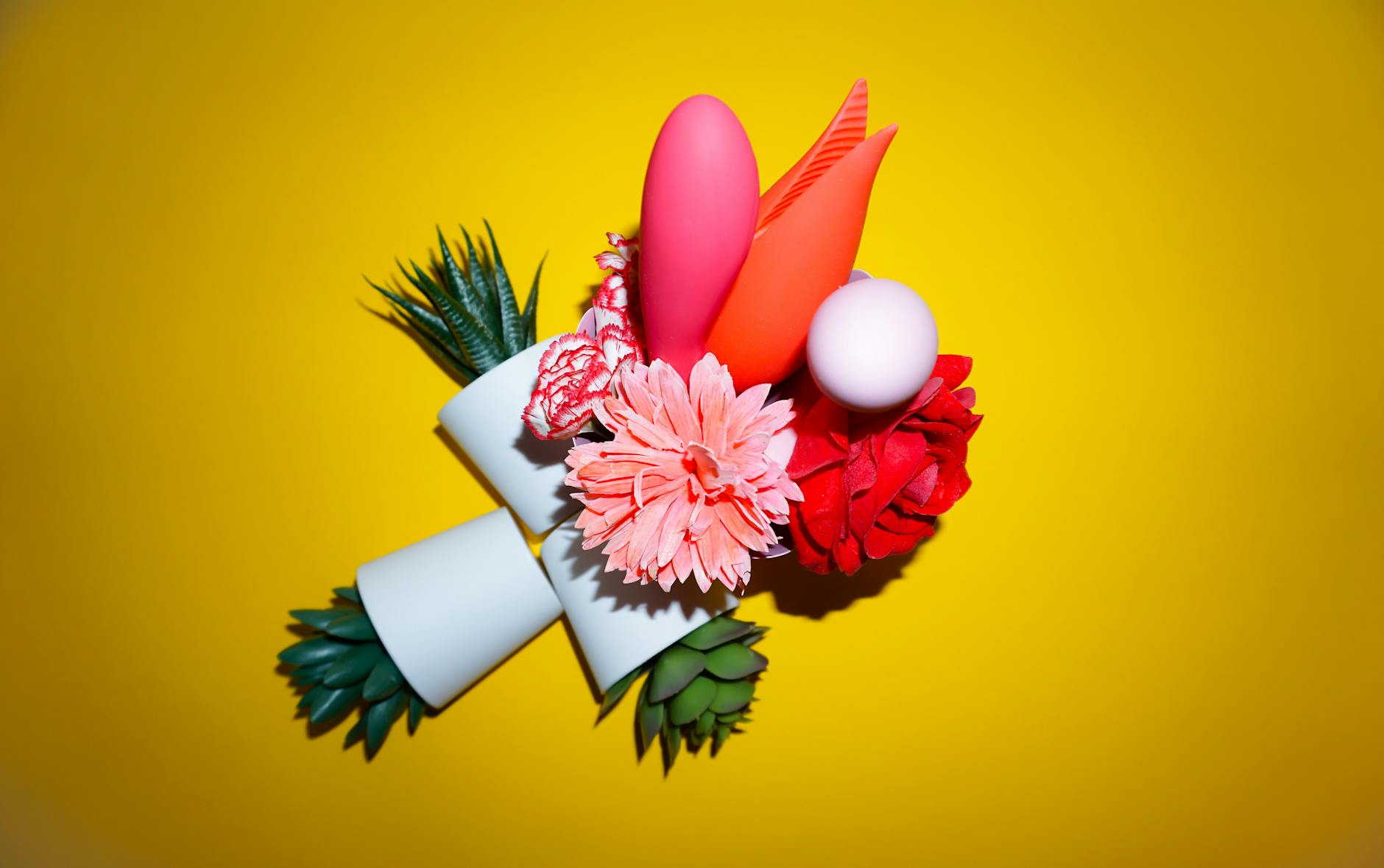
Here's what chronic stress actually does to your body
Let's be real. When you're in survival mode, your nervous system isn't thinking about pleasure. It's thinking about getting through the day. Chronic stress keeps your body flooded with cortisol, which suppresses the neural pathways that light up during arousal. Your clitoris becomes less responsive. Your brain has a harder time dropping into sensation. And that's before we even talk about the mental weight of it all.
Most people assume this is temporary. They think arousal will snap back once life calms down. Sometimes it does. Often it doesn't. The longer you've been in stress mode, the more your body forgets what pleasure feels like. The good news is that arousal isn't broken. It's asleep. And there are specific ways to wake it back up.
Why lemon vibrators work differently when arousal is recovering
When arousal has been dormant, direct clitoral stimulation can feel too intense or even jarring. The tissues are sensitive, but not in the good way. This is where clitoral suction devices change everything. Lemon vibrators and similar suction-based designs work through gentle air-pulse technology that stimulates nerve endings without the mechanical friction of traditional vibrators. The sensation is softer, less grabby, which makes it ideal for nervous systems that are learning to feel pleasure again.
Clitoral suction doesn't require you to have immediate arousal to feel good. You can start at the lowest intensity and build slowly without any pressure to orgasm. That permission alone is often what bodies recovering from stress need most.
The actual phase you're in right now
If you're rebuilding after chronic stress, you're likely in one of two places. Either arousal disappeared months ago and you've mostly stopped trying, or you're aware something's off but you're not sure what changed. Both are completely normal.
Right now, your job isn't to push toward climax. It's to rebuild the connection between your brain and your body. That happens through sensation first, not pressure. Short, frequent sessions work better than long ones. Consistency matters more than intensity. And honestly, most people find that the biggest shift happens when they let go of the goal entirely and just focus on what feels good in each moment.
How to actually start: the first week
Choose a time when you have zero pressure. Not when your partner expects something, not when you have 15 minutes before an appointment, not when you're already frustrated that nothing's working. Late morning or early afternoon often works better than night, when stress and fatigue have layered up.
Start with no expectation of climax. Seriously. That goal is probably what killed arousal in the first place. Instead, your only job is to notice what feels neutral or slightly good. Even warmth counts.
Use your Lemon Intimacy vibrator at intensity level 1 or 2. Not because you need to build to something bigger, but because your nervous system needs permission to be curious first. Spend 5 to 10 minutes just exploring. If it feels good, keep going. If not, that's information too. Stop. Your body's feedback is what matters.
Do this three to four times a week, not daily. Novelty drives arousal more than repetition. Your nervous system needs recovery time to integrate what it felt.
What's actually happening inside your brain and body
When you're rebuilding sensitivity, something useful is occurring even if nothing climactic happens. The vagus nerve is getting gentle stimulation. Blood flow is returning to the tissues. And most importantly, your nervous system is logging the data that pleasure is possible and safe again.
This is why consistency beats intensity. You're not chasing one big moment. You're rewiring the neural pathways that connect touch to sensation to arousal. That happens gradually, over weeks, not nights. Some people notice shifts within five days. Others take four to six weeks. Both timelines are completely fine.
The clitoral suction sensation of a device like the Lem vibrator is particularly useful here because it mimics natural arousal more than vibration does. Your body recognizes it faster. The learning curve is gentler.
The partner conversation (if you have one)
If you're in a relationship, your partner might notice you're taking solo time with pleasure. That can feel confusing to them if they thought the issue was just about the two of you. It's not. But explaining that is important.
What helped me with couples is a simple frame: "I need to rebuild my own arousal before I can share it." That's true. You can't expect partnership pleasure to magically reappear if your individual nervous system hasn't felt safe alone first. That's not rejection. That's healing.
If your partner wants to know more, you can share that you're working with a clitoral vibrator to rebuild sensitivity. Many partners find that honest and actually kind of sexy. Some get curious too. No pressure either way.
The two-month marker: when things shift
Around four to eight weeks in, most people report something changing. Not always climax. But the sensation of pleasure returning. The ease of arousal building. The experience of wanting sex again, rather than feeling like they should. That shift is worth waiting for.
At this point, you might be ready to try longer sessions. Or to introduce partnership. Or to try different intensities. But you'll know. Your body will tell you when it's ready for more.
Some people find that clitoral suction vibrators become part of their regular pleasure practice. Others use them for this rebuilding phase and then move to other methods. There's no right answer. What matters is that you've learned arousal isn't broken. It was just sleeping.
When to know you need professional support
If after eight to ten weeks of consistent practice with lemon vibrators or other clitoral devices you still feel completely numb, that might point to something deeper. Medication side effects, unresolved trauma, or hormonal shifts sometimes mask themselves as stress-related arousal loss. A therapist or gynecologist trained in sexual health can help you sort that out.
Likewise, if the stress that killed your arousal is still active and ongoing, no vibrator will fully fix it alone. You might need to address the stress first, or at least put boundaries around it. That could mean a conversation with a partner, a therapist, or changes to work or family dynamics. Pleasure recovers faster when your nervous system feels genuinely safe, not just when you're making time for solo practice.
The practice, week by week
Weeks 1-2: Lemon vibrator at level 1, five to ten minutes, three times a week. Notice without judgment.
Weeks 3-4: Same as above, but if it starts feeling good, you can extend to fifteen minutes. No goal beyond sensation.
Weeks 5-6: If arousal is building, try moving between intensity levels. Slow, curious exploration. Still no pressure on climax.
Weeks 7-8: By now you'll know if arousal is returning or if something else is at play. If returning, you might be ready for longer sessions, partnership, or trying other devices.
After week eight: Trust your body. You've rebuilt the baseline. Everything from here is just play.
Common questions about rebuilding arousal with lemon vibrators
Will using a vibrator make my body dependent on it?
No. In fact, using a clitoral suction device like a Lemon Intimacy vibrator during recovery often makes your baseline sensitivity better. You're not training your body to need more stimulation. You're waking it back up. Many people find that after rebuilding with a device, their responsiveness to partners or fingers improves too.
What if I still can't come after eight weeks?
Climacterically, that's sometimes fine. Not every session is about orgasm, especially when you're rebuilding. If you're feeling arousal, building sensation, and experiencing pleasure without pressure, that's a win. If you want to explore further, a sex therapist can help. But rushing to climax when stress is still your baseline is backwards.
Can I do this with my partner watching or involved?
Sure, but probably not in week one or two. Your nervous system needs to know pleasure is safe alone first. After a few weeks, some people enjoy bringing their partner into the practice. Others keep solo time separate. Both work. What matters is that your body gets to lead the timeline.
Does chronic stress arousal loss get worse before it gets better?
Sometimes you'll notice numbness more acutely once you start paying attention again. That's not regression. That's your nervous system becoming aware of what was suppressed. Keep going. The awareness is the first step toward recovery.
Should I try the lem vibrator or another lemon device?
The lem vibrator and other Lemon Intimacy clitoral devices are designed with exactly this use case in mind. Suction-based stimulation is gentler than traditional vibration, which makes it ideal for nervous systems waking up. Start with the lowest intensity and trust what feels right. Your body knows.
How long until arousal feels normal again?
Normal is a bad word here. You're not going back to before stress. You're building a different, usually deeper relationship with pleasure. Most people report meaningful shifts in eight to twelve weeks. Full recovery, meaning you feel desire as often as you did pre-stress, can take longer. That's okay. You're not on a deadline.
The real shift that happens
Rebuild arousal after chronic stress isn't just about getting sensation back. It's about learning that your pleasure is worth protecting. That your body's signals matter. That healing takes time and repetition, not force. Those lessons change how you relate to pleasure for years to come.
Your nervous system got used to survival mode. You're teaching it that rest, sensation, and joy are possible again. That teaching happens in the quiet moments with a lemon vibrator or clitoral device, when no one's watching, when there's no pressure, when you're just curious about what feels good.
That's where arousal rebuilds. That's where it becomes yours again.
If you're navigating stress and arousal shifts, know that it's recoverable. Your body isn't broken. It's remembering. And that remembering is worth the time it takes.