Here's what nobody tells you about desire after fifty
Your body didn't break. It just went quiet. That's the distinction I need you to hold onto right now, because it changes everything about how you approach this moment. When you haven't had regular partnered sex in years, or maybe ever, your nervous system settles into a kind of neutral state. It's not dead. It's dormant. And there's a wildly important difference.
Dormancy is reversible. Your clitoris still has all the same nerve endings it did at twenty-five. Your brain still lights up the same way during arousal. What's changed is the pathway. Your body has been running on standby, and waking it up takes a specific kind of patience and the right tools.
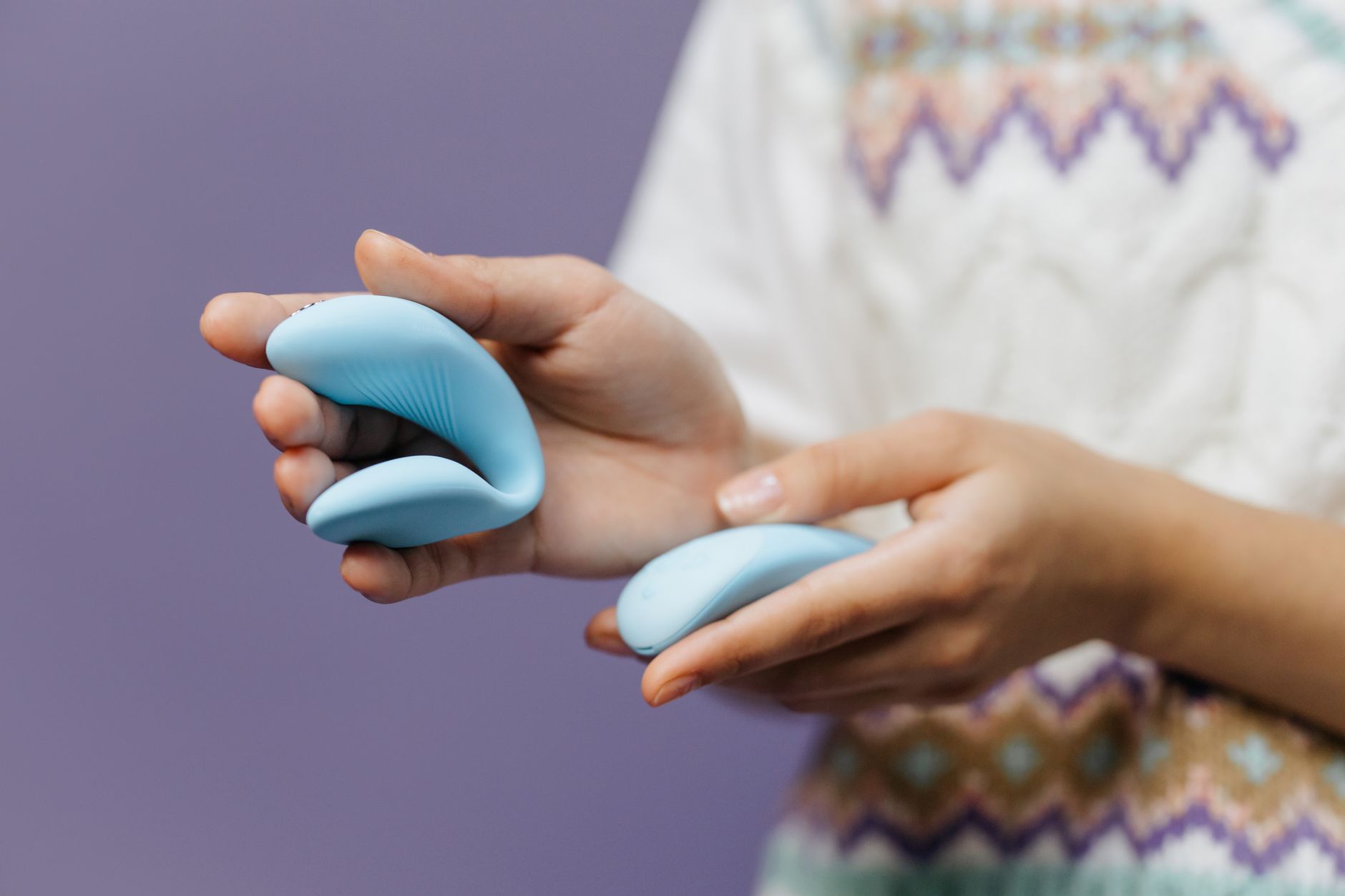
This is where lemon clitoral vibrators become genuinely transformative. Not because they're magical. But because they speak a language your nervous system actually understands right now.
The neurology of being out of practice
When you go years without sexual stimulation, something shifts at the neurological level. Your arousal response doesn't disappear. It slows down. The cascade of chemical signals that used to happen in minutes now takes fifteen, twenty, sometimes thirty minutes to build. Your body is learning to trust that pleasure is happening again.
The clitoris itself doesn't change. But the tissue around it becomes less engorged with blood, which means less sensitivity to the light touch that might have worked perfectly in your thirties. Simultaneously, your nervous system becomes hyperaware of inconsistent stimulation. Conventional vibrators that buzz at a fixed intensity can feel jarring or just... wrong. They demand a response your body isn't ready to give yet.
Clitoral suction technology like the Lem vibrator works differently. Instead of constant vibration, it creates a gentle pulse of pressure that mimics the way arousal actually builds in a rested body. It's not asking your nervous system to perform on command. It's inviting it to wake up in its own time.
Why your fifties are different from your twenties (the good news part)
There are three massive things working in your favor right now, and most of the cultural messaging completely ignores them.
First: mental clarity. The noise of reproductive anxiety, fertility windows, and societal performance standards just lifts. By fifty, you've usually stopped caring whether you're being "sexy" for an audience. That mental space alone changes everything. You can feel what you're actually feeling instead of monitoring whether you're responding "correctly."
Second: your body has woken up to what it actually wants. In your twenties, you might have been accommodating a partner's rhythm or preferences. Now you can tune into your own pleasure. That means longer warm-up, different pressure, different timing. It's not a loss. It's a discovery.
Third: you have time. No rushing because a partner is waiting. No clock ticking toward work. You can spend forty-five minutes exploring your own arousal without guilt or logistical pressure. Your fifties are genuinely the least interrupted decade for many women.
What actually happens physically when arousal builds slowly
Let me walk you through the physiological reality because it matters for expectations. When arousal builds, your clitoris engorges with blood and becomes more sensitive. This process used to happen in a few minutes when your nervous system was regularly stimulated. After years without regular sex, it's slower. Not permanently. Just slower on the restart.
Meanwhile, your vaginal tissue has changed. You have less estrogen circulating, which means the tissue is thinner and less naturally lubricated. This isn't a deficiency. It's a shift. And it means direct friction, even gentle friction, can feel too intense before full arousal kicks in.
A lemon vibrator handles this perfectly because it doesn't rely on friction to create sensation. Clitoral suction builds arousal through repeated gentle pressure without the mechanical wear. You're not rubbing the tissue. You're inviting blood flow, which is exactly what you need.
The mental piece: rewiring trust in your own pleasure
Here's what I see over and over with clients in their fifties who are returning to solo or partnered pleasure after long gaps: there's often a voice saying "this shouldn't take this long" or "I shouldn't need this much time to feel ready."
That voice is lying. It's reflecting decades of absorbed messaging about how arousal should work for women, not how it actually works for you right now. Your body isn't broken. It's being honest. And honesty is way better than pretending.
Using a tool like a lemon clitoral vibrator is actually a form of self-trust. You're saying: "I'm going to learn what my body needs now. I'm not going to force a response that isn't genuine. I'm going to take the time it takes." That's not weakness. That's precision.
What to expect the first few times
Your first experience with a lemon vibrator might surprise you. You might feel nothing for the first five minutes. Then a subtle building. Then, maybe not an orgasm yet, but a definite sensation you haven't felt in years. That progression is completely normal and actually healthy. You're not failing. You're waking up.
Budget thirty to forty-five minutes for the first few sessions. Use a water-based lubricant even if you think you don't need it. Your tissues will benefit from it, and it creates a more comfortable seal for the suction. Start on the lowest setting. Your nervous system doesn't need intensity right now. It needs consistency and time.
Many clients report that the most satisfying experiences come in the second or third week, not the first night. Your body is remembering something. That takes time. And that's actually beautiful.
The partner conversation (if there is one)
If you're in a relationship or exploring one, this transition is worth talking about explicitly. "My arousal pattern has changed, and I need more time and gentler touch than we used in the past" is a complete sentence. You don't need to over-explain or apologize.
If you're exploring this solo, which is equally valid, you're giving yourself the gift of learning your own body without any pressure. That knowledge becomes an asset in partnered sex later if you want it.
When to seek additional support
If you're experiencing pain during arousal or afterward, talk to a gynecologist. Genitourinary syndrome of menopause is real and treatable. If arousal genuinely isn't building even after four or five consistent sessions, consider whether there's an underlying health factor. Low thyroid, unmanaged blood pressure medications, or depression can all dampen desire. Those are solvable problems, and a good healthcare provider can help.
The bigger picture: your fifties are not a decline
Culture tells you that your sexual prime ends at thirty-five. That's financially motivated fiction. Your sexual prime in your fifties is different. It's slower to start. It often requires better technique. It's more specific to what actually feels good rather than what theoretically should feel good. That's not less. It's more sophisticated.
Lemon vibrators work so well for people in this season because they're designed around physiology, not fantasy. They meet your body where it actually is. And your body, at fifty, is still absolutely capable of pleasure. It's just asking for respect and the right tools.
People also ask
How long does it take for arousal to return after years without regular sex?
There's no universal timeline, but most people notice meaningful changes in arousal response within three to four weeks of regular stimulation. Your nervous system needs consistent signals that pleasure is safe and available. Some people feel shifts within days. Others take several weeks. Patience here isn't a weakness. It's actually the most effective strategy.
Can lemon clitoral vibrators help if I've never had an orgasm?
Yes, but with a caveat. If you've genuinely never experienced orgasm, a clitoral vibrator is a strong starting point, but you might also benefit from a sex therapist who specializes in this. There can be psychological or physical factors that need attention. A vibrator alone isn't always the full answer. That said, the gentle, consistent stimulation of the Lem is often more effective than traditional vibrators for people learning their bodies for the first time.
Is it normal to feel numb or not much sensation the first time I use a lemon vibrator?
Completely normal. You're using nerve pathways that have been dormant. It takes a few sessions for sensation to fully wake up. It's similar to how a foot feels tingly when blood flow returns after being asleep. This numbness usually resolves quickly with consistent use. If it persists beyond a week, that's worth checking in with a healthcare provider about.
Do I need lubricant if my body isn't producing natural lubrication?
Yes. Water-based lubricant helps create a better seal with the lemon clitoral vibrator and makes the sensation more comfortable. This isn't shameful or unusual. Many people benefit from lubricant, especially in their fifties and beyond. Quality lubrication is part of good sexual wellness at any age.
What if my partner wants to be involved in exploring this?
That's a conversation worth having clearly. Some people enjoy partnered exploration with a vibrator. Others prefer to learn their bodies solo first, then bring that knowledge into partnered sex. There's no right answer. What matters is that you're both genuinely enthusiastic about whatever you decide. If you do explore together, communication about what feels good and what doesn't is essential.
Can a lemon vibrator help restore sensation if I'm experiencing menopause-related numbness?
Often, yes. The clitoral suction technology can stimulate nerve pathways and encourage blood flow in ways that help restore sensation over time. That said, if you're also experiencing thin tissue or pain, that's worth addressing with a healthcare provider. A vibrator is a tool for pleasure, not a medical treatment, though the two can work together.
What happens next is up to you
Your body at fifty is not past its prime. It's entering a different kind of prime. One where you know yourself better. Where you don't have to perform. Where pleasure can be exactly what you want it to be instead of what you think it should be.
A lemon vibrator isn't magic. But it's a tool designed specifically for the way arousal actually works in an adult body that's been dormant. Use it with patience. Use it without pressure. And notice what happens when you give yourself permission to feel good on your own terms.
If you have specific questions about your situation, reach out to our team. We're here to help you figure out what works for your body right now.